

Timeline advice for your wedding planning from Central Wisconsin Wedding Photographer – Rachel Jensen Photography.
One of the biggest questions couples ask while planning their wedding day is how much time they should allow for everything. Between getting ready, portraits, the ceremony, and the reception, there are a lot of moving parts—and it can be difficult to know how long each moment really takes.
After photographing many weddings, I’ve found that timelines run the smoothest when couples build in realistic time for the important parts of the day. A well-planned timeline means less stress, more time to enjoy the moment, and better photographs overall.
Here’s a general guide to how long some of the most common parts of the wedding day typically take.

Start the Day with Details
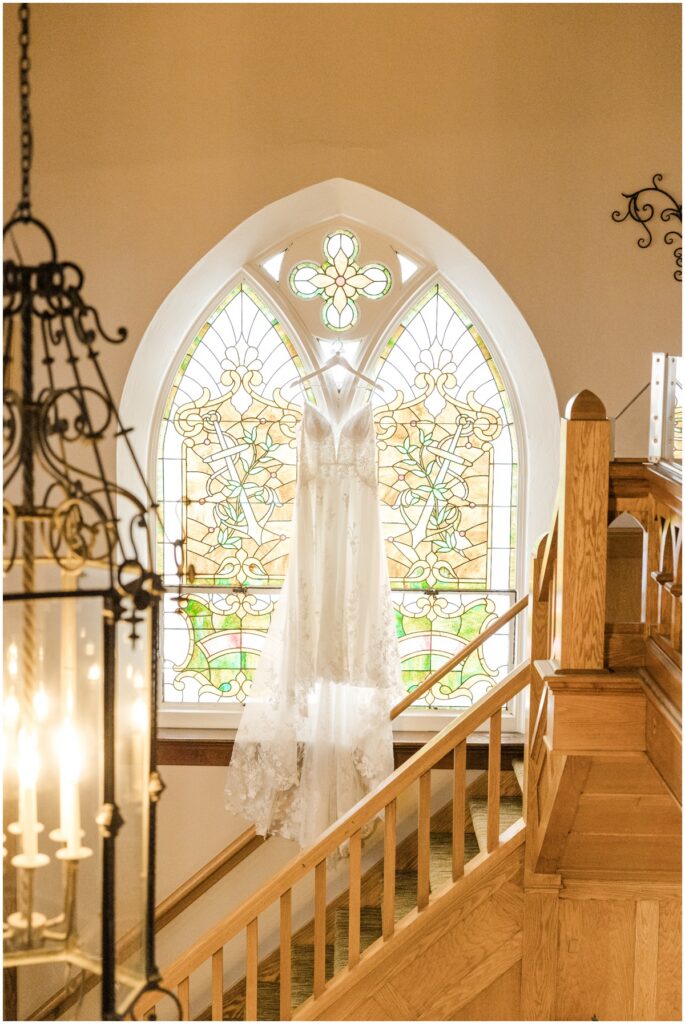
A great way to begin the photography portion of the day is with detail photos. This includes things like your dress, rings, bouquet, invitations, and other meaningful pieces you’ve chosen for the day.
This portion of the timeline typically takes 30–45 minutes. While it isn’t absolutely necessary, it allows us to document the little elements that represent the planning and thought you’ve put into your wedding. These are often the pieces that would otherwise get lost once the day begins moving quickly.
If possible, gathering these items in one place ahead of time helps everything run smoothly.
Getting Ready Moments
Getting ready photos help capture the anticipation and excitement leading up to the ceremony.
For the bridal party, this part of the timeline typically takes 15–30 minutes of photography time. This includes candid moments with bridesmaids, finishing touches with hair or makeup, and the relaxed moments before the day officially begins.
If the groom and groomsmen are getting ready at the same location, we may also capture a few quick photos of them as well. Often this portion takes 10–20 minutes, depending on whether they’re nearby or getting ready elsewhere.
These images tend to feel very natural and documentary, capturing the emotions of the morning as everything begins to unfold.
Putting on the Dress
One of the most meaningful moments of the morning is when the bride gets into her dress.
This typically takes 20–45 minutes to photograph depending on the dress and how many finishing touches are involved. Some brides also choose to include a special moment like a first look with their father, which can add about 30 minutes to the timeline.
These quieter moments often become some of the most emotional images of the day.
First Look (Optional but most of the time Helpful)
Many couples choose to do a first look, where they see each other privately before the ceremony.
A first look usually takes about 30–45 minutes, and it can include additional moments like a gift exchange or private vows. One of the biggest advantages is that it allows us to photograph several portraits before the ceremony, which helps the rest of the timeline flow more smoothly.
If couples choose not to do a first look, we simply plan to schedule more portrait time after the ceremony instead.

Portrait Time
Portraits are typically divided into a few categories.
Bridal portraits often take 20–45 minutes, depending on how many locations you’d like to use. If the venue has several beautiful areas, we may spend a little extra time exploring them.
Wedding party portraits usually take 20–30 minutes. These are typically fun, relaxed, and a chance for everyone to celebrate together before the ceremony. I always do individuals of each girl with the bride and each guy with the groom so remember, the larger the wedding party, the longer we need.

The Ceremony
Ceremonies vary widely depending on traditions and the type of ceremony being held. The most important thing when planning your timeline is simply to have a general idea of the ceremony length.
Once that’s established, it’s helpful to allow about 15 additional minutes to account for the processional and recessional.
Family Formals
Family photos are an important part of the day, but they’re also one of the areas where timelines can easily run long.
I typically recommend allowing about 45 minutes for family formals. In many cases, we’re able to complete them in closer to 20 minutes if everyone is present and ready to go.
Having a short, organized list of family combinations ahead of time helps this part move quickly and smoothly. I send my brides a family formal template a few months before the wedding to help them organize who’s in and who’s out.

Cocktail Hour
Cocktail hour is often when guests mingle and celebrate right after the ceremony. If you’ve done a first look earlier in the day, you’ll likely be able to join part of cocktail hour as well.
During this time, I typically photograph guest candids for about 30 minutes, along with reception details before the space fills up.
Reception Events
Reception timelines vary depending on the number of guests and how dinner is served.
Dinner itself often takes 60–90 minutes, particularly if there are speeches or toasts included.
Other key moments include:
- Cake cutting – about 10 minutes
- First dance and parent dances – about 30 minutes
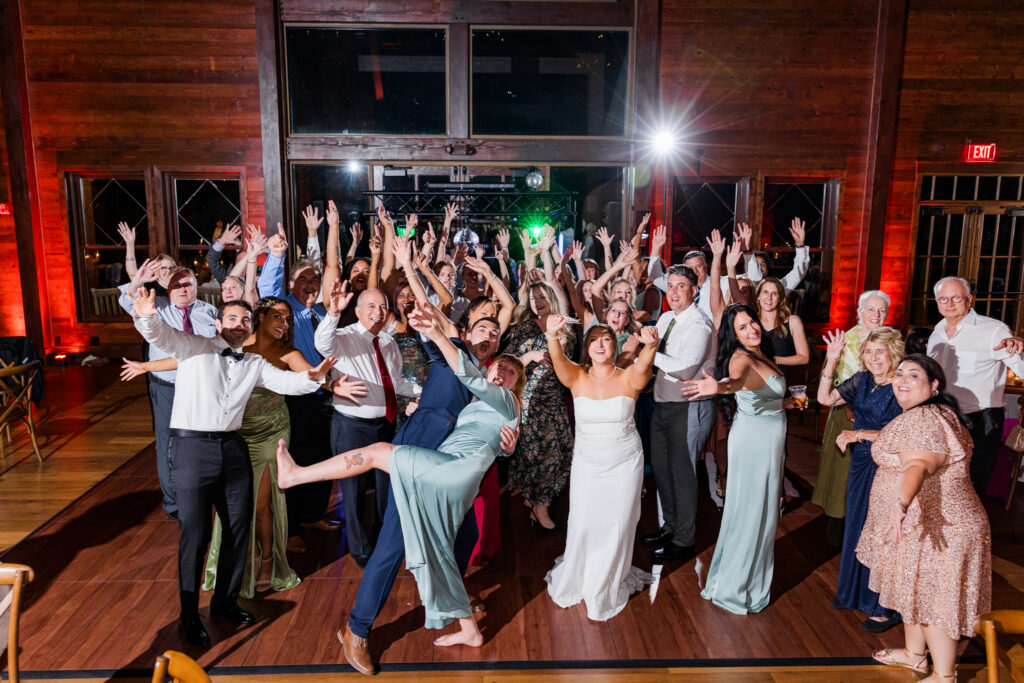
- Open dancing – ideally at least one hour for great dance floor photos
Sunset Portraits or Faux Exit
One of the most beautiful times for photos is sunset. Stepping away for 10–15 minutes during golden hour can create some of the most romantic portraits of the day.
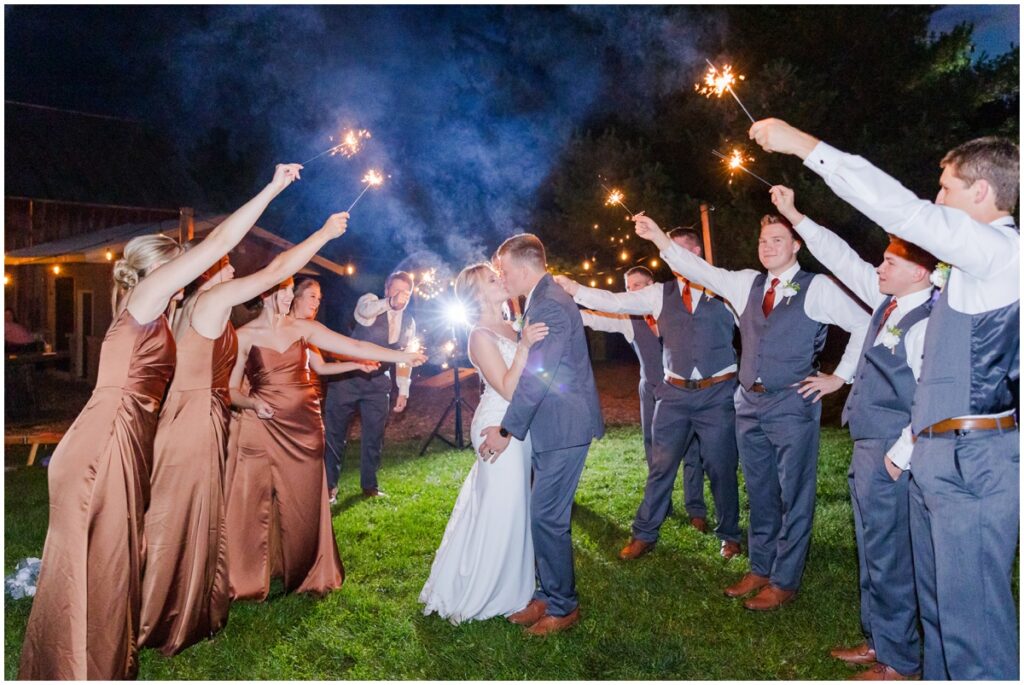
Some couples also choose to do a faux exit with sparklers or bubbles, which typically takes about 45 minutes to organize and photograph.

The Key to a Smooth Wedding Day
Every wedding is unique, and timelines can always be adjusted to fit your priorities. The most important thing is simply allowing enough time for the moments that matter most to you.
A thoughtful timeline creates space for genuine moments to happen naturally—and ensures you’re able to enjoy your wedding day without feeling rushed.
If you’re currently planning your wedding and have questions about how your timeline might look, I’m always happy to help couples think through the details so their day feels relaxed and effortless.

leave a comment
Share page to: